
History of the RRZ
Milestones in the History of the RRZ
Beginnings in the Upmarket Harvestehude
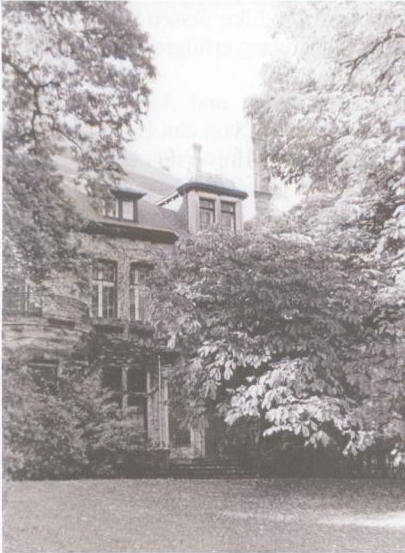
The first location of a computer at the University of Hamburg was at Harvestehuder Weg 10, a prime location with a view of the Alster.
The university had acquired the property after the war from the estate of the NSDAP Gauleiter.
It was here—specifically to the attic—that the Research Center for Practical Mathematics was relocated in 1948. In 1952, Prof. Dr. Lothar Collatz was appointed to this department, becoming a central figure in the early days of computer use at the University of Hamburg.
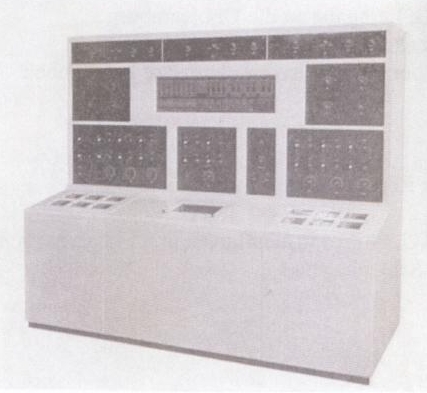
The first computer-like calculating machine was delivered; it was a replica of the Integromat.
It must have been difficult to bring the cabinet-like device to its installation site; to do so, they had to break through the ceiling and dismantle the stair railing and other fixtures.
At any rate, the building remained standing; it was only later demolished by the University of Music and Theater, which was housed in the neighboring building and took over the property.
The First Computer
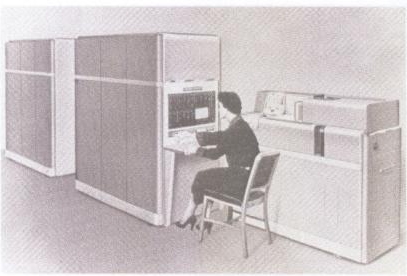
In 1957, the German Research Foundation approved a substantial grant for the installation and rental of an IBM 650 electronic computing system valued at approximately DM 1.3 million, plus an annual rental fee of DM 108,000.
Such a machine wouldn’t fit in an attic, so a new location was sought.
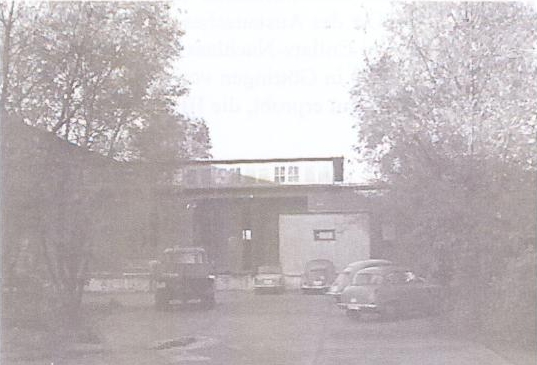
It was found in an annex of the Hamburg Shipbuilding Research Institute in Barmbek. Another temporary solution, this time in an industrial park in Barmbek. Many staff members of the research center moved back into various buildings of the Institute of Applied Mathematics.
In 1958, the Department of Electronic Computing Systems was founded, which was available to all researchers at the University of Hamburg from the very beginning—in other words, by today’s standards, it was a computer center.
A new computer, a new temporary location
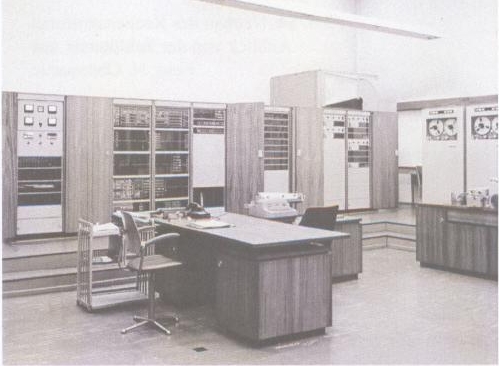
The demand for computing power grew so rapidly that the IBM 650, barely out of the box, soon reached the limits of its capacity. A new computer was needed, and Prof. Collatz had the necessary contacts. As early as 1960, the DFG approved a mainframe computer, the Telefunken TR4.
At the time, German industry was attempting to gain a foothold in the rapidly growing computer market with in-house developments. According to assessments at the time, the machines were technically on par with the dominant IBM machines and had a significantly better operating system, but stood no chance against IBM’s competition. Nevertheless, AEG Telefunken’s products enjoyed great success in research and educational institutions across the German-speaking world, thanks in part to generous political support.
In 1961, planning began for a computer center building, designed entirely from scratch using the latest technology of the time. Due to the 1962 flood disaster in Hamburg, construction was delayed, and so the TR4 had to be housed initially in the building of the Mineralogical-Petrographical Institute at Grindelallee 46/48.
The Department of Electronic Computing Systems within the Faculty of Mathematics became an interfaculty unit in 1963.
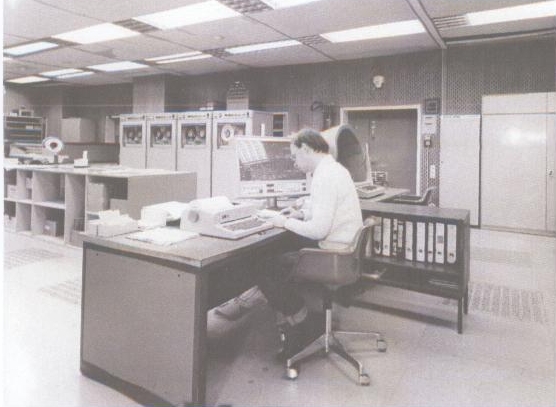
A Dedicated Building and New Computing Systems
The new building at Rothenbaumchaussee 81 was finally ready for occupancy in 1965.
Of course, users soon began crowding around the punch card input stations again (terminals did not yet exist, and no one had thought of PCs yet), so the computing center planned for a new mainframe. It was to be a TR 440 from the trusted supplier Telefunken. Once again, a considerable sum had to be spent with the help of the DFG (mainframes with all accessories consistently cost around DM 20 million at the time), but by the end of 1971 it was in place and went into operation.
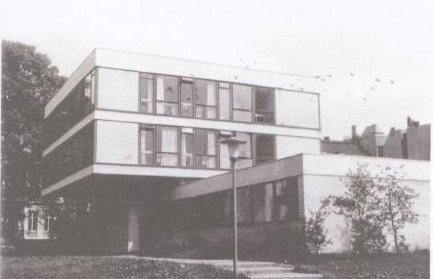
The new system quickly reached its performance limits and had to be expanded. At the same time, a new building was constructed on a neighboring lot of the computer center on Schlüterstraße, into which the newly founded Institute of Computer Science was to move. One floor and parts of the ground floor were reserved for the computer center. The computer center building was given a direct passageway into the new building. In the computer rooms of the computer center, which had been expanded in this way, an additional Siemens 7.755 system worth DM 4.3 million was installed in 1975/76.
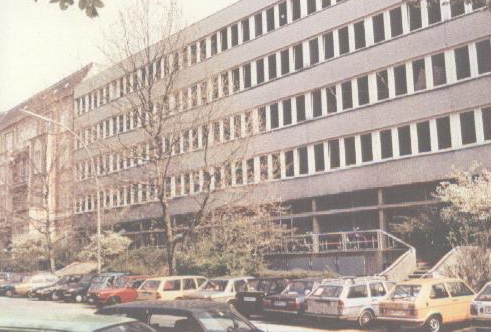
By the end of the 1970s, Germany’s unique path to mainframe production had come to an end. AEG Telefunken became Computer Gesellschaft Konstanz, which was sold to Siemens, and the TR product line was discontinued. In 1980, we purchased a new Siemens 7.882 system from Fujitsu Siemens Computers, a joint venture between Siemens and the Japanese manufacturer Fujitsu. In the years that followed, the computer center evolved into the Regional Computer Center of the University of Hamburg.
Photos and information taken from Bulletin 341: 50 Years of IT at the University of Hamburg – About the People and Machines That Changed the University of Hamburg Early On, by Horst Oberquelle, October 2008.